
Latest News

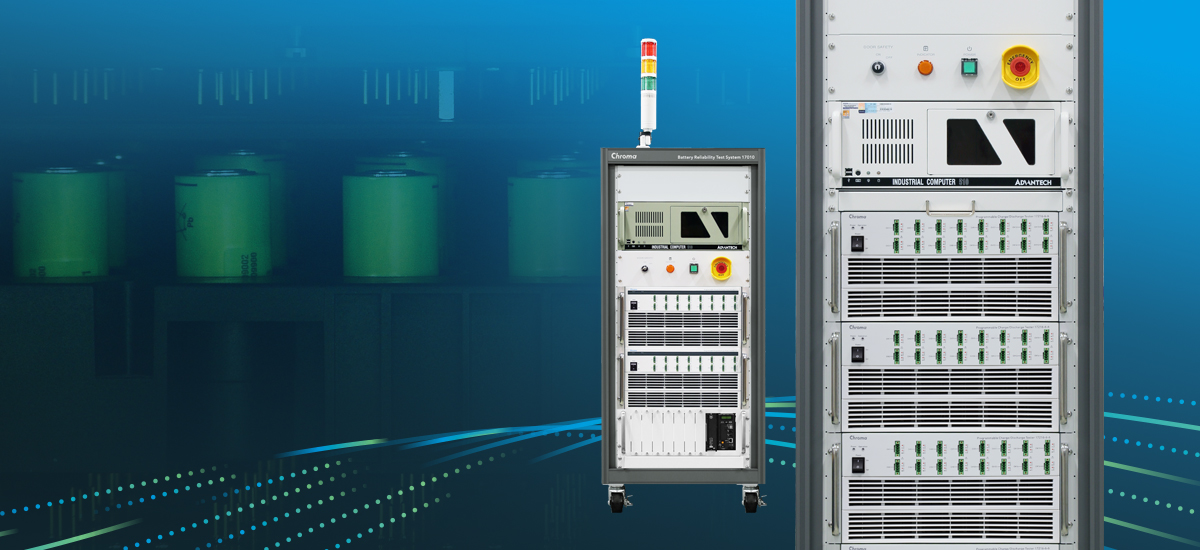
Chroma’s Ultra-High Precision Measurement Solution: Improving the Efficiency of Non-Invasive Degradation Analysis of Lithium-Ion Battery Cells

Chroma's Ultra-High Precision Measurement Solution: Improving the Efficiency of Non-Invasive Degradation Analysis of Lithium-Ion Battery Cells

What is non-invasive analysis?

The analysis of lithium-ion battery cell degradation can be classified into invasive and non-invasive methods, with non-invasive analysis offering the following advantages: (1) Evidence of battery degradation can be retained in its entirety; (2) Minimizes the effect of external factors on the battery state and introduction of new variations; (3) Allows for identification of known battery parameters through specific measurement instruments and systematic classification of battery aging mechanisms. Therefore, whether in evaluating battery material performance, selecting batteries, or studying battery degradation, non-invasive analysis has seen wide adoption and is known to yield significant results.
Download this white paper to read more.→

More Recent Posts

Chroma Implements OCP Standards for BBU Battery Testing to Ensure Reliable Power Backup for AI Servers

Chroma’s regenerative charge/discharge test systems provide comprehensive solutions for both low- and high-voltage BBU modules. In addition to assessing BBU capacity, charge/discharge performance, and long-term durability, Chroma’s 17020C/17050 test systems also enable highly realistic simulation of actual server environments, ensuring accurate and dependable test results.

Read More »

HVDC AI Server Power Testing: Chroma DC Load Enables 1.44MW-Level Verification

Whether it’s a power supply unit (PSU) rated at tens of kilowatts, a power shelf at hundreds of kilowatts, or a power rack reaching megawatt levels, all must meet stringent transient response and current slew rate requirements. Chroma 63200A DC Electronic Load series offers single-unit power ratings from 2kW to 24kW, and supports synchronous dynamic operation of up to 60 units for a maximum rated power of 1.44MW.

Read More »